The last seeds have been sown. The tomatoes and peppers are giving way to cover crops, and new fall crops are emerging.
The garden feels calmer, quieter, more settled in. Don’t get me wrong, I love the summer garden, with its harvesting, deadheading, weeding, and all the bustle of the crops we wait all year for. But fall is my favorite time of year at Mar Vista. It’s the transition before the real winter quiet, when we’re enjoying the end of the summer harvest while fall crops arrive.
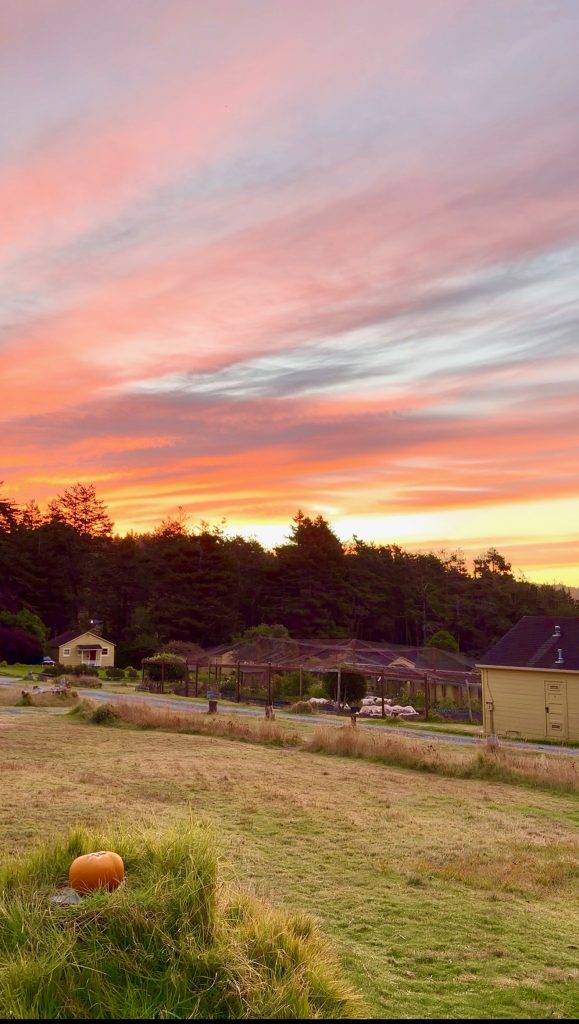
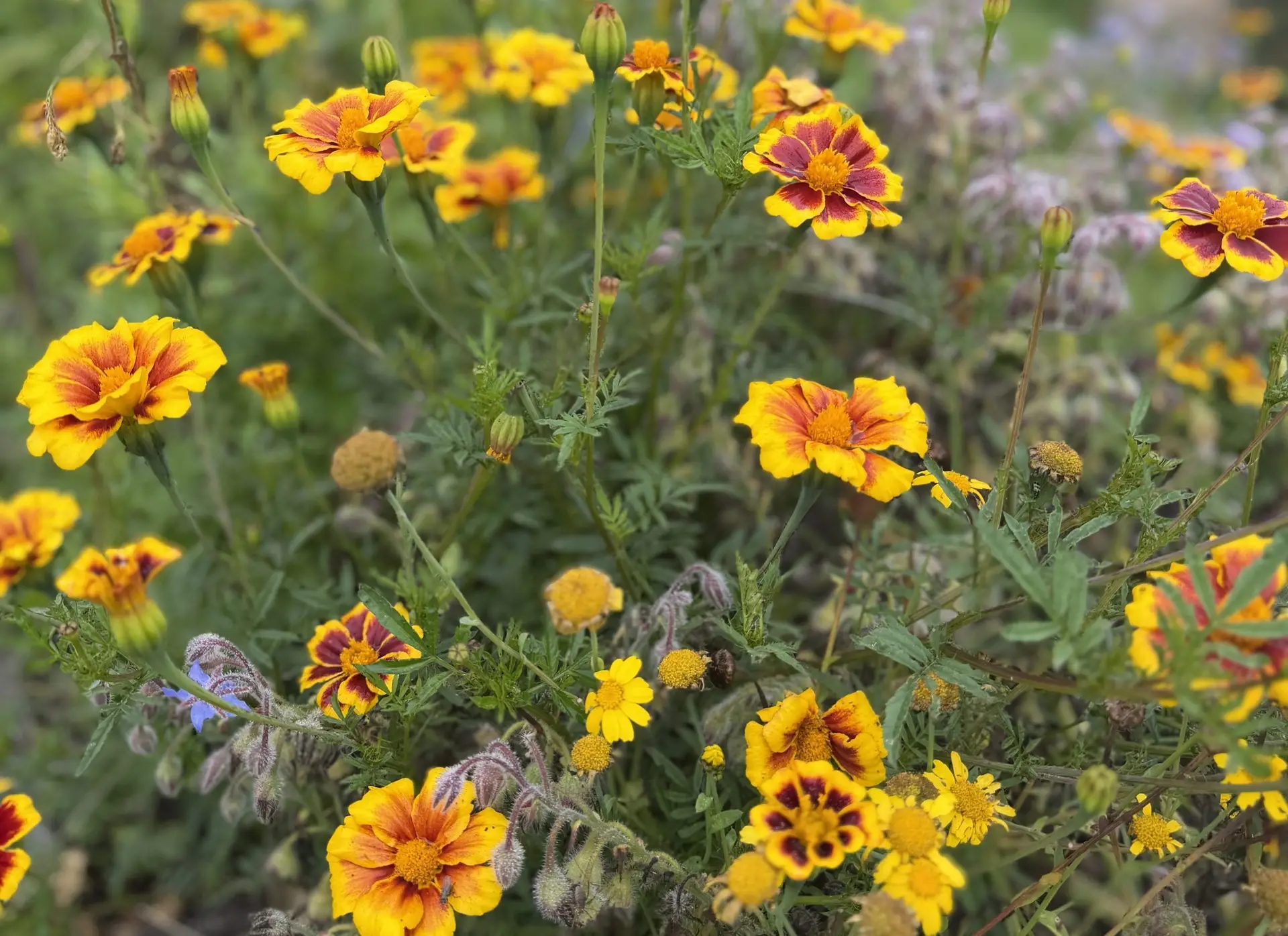
The flowers are slowing down but still very much present: marigolds, cosmos, and dahlias, even a few roses, alongside basket flowers, snapdragons, and heirloom mums. In the kitchen we’re enjoying fall peas, purple tatsoi, Swiss chard, carrots, radishes, pumpkins, and apples. As the days shorten, golden hour paints the sky in pinks, oranges, and blues, a transition of its own and the perfect backdrop for the garden. There’s no other season like it: crisp mornings, warm days, cool evenings, and a gentle nudge to slow down.
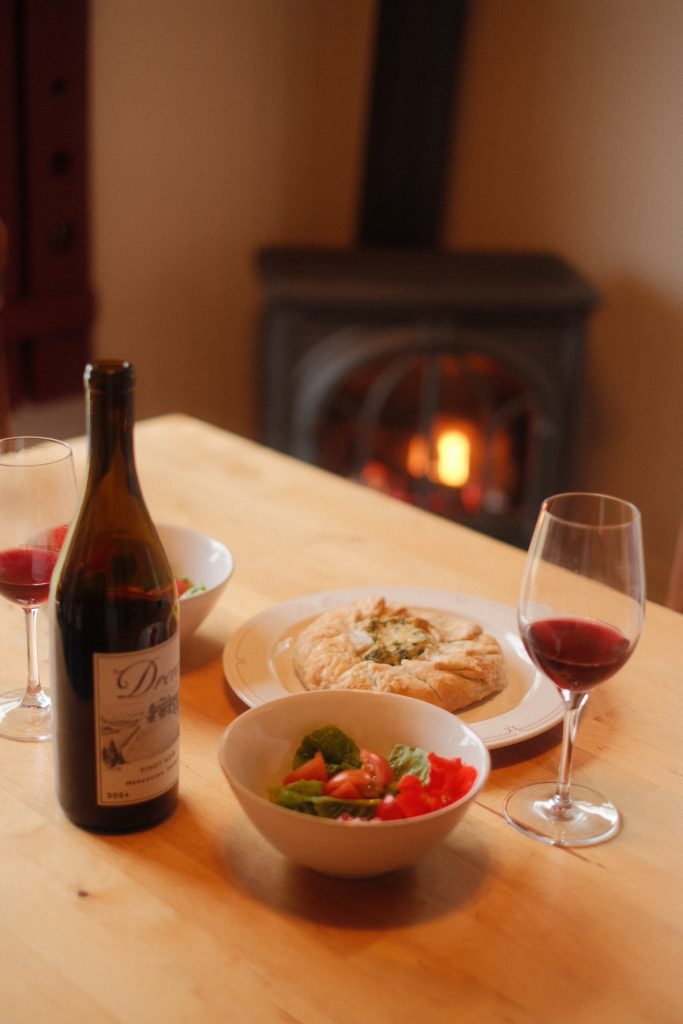
Fall also brings an abundance of greens. In our mild climate we can grow most cool-season crops year-round, but this is when they really shine. The days of cucumber salads, garlicky green beans, and endless BLTs have given way to chard and white bean soup, roasted carrots, and apple crisp still warm from the oven. Nature is slowing down, and we’re taking the cue.
Out in the beds, we just transplanted Esmee arugula, Space spinach, Hen Peck collards, and Shanghai Green pak choy into the fall garden, and made our final seeding of Tango celery, De Cicco broccoli, and Snow Crown cauliflower. Our Marte Brussels sprouts were seeded back in late summer and will be ready in time for Thanksgiving.

Cover crops are one of the best ways to regenerate soil without bringing in amendments, and they do a lot of good. Heavy feeders like tomatoes, peppers, cucumbers, and squash pull a lot of nitrogen from the soil, so this season we chose fava beans, a winter pea mix, and a couple of clovers. All of them are legumes, which means they fix nitrogen and put back what the summer crops took. Fava beans are my favorite, because we can also harvest the beans in spring, so they feed the soil and the table. The pea mix shoots are edible too. The clovers help prevent erosion and support overall soil health, and their flowers attract pollinators. It doesn’t hurt that they’re pretty, too. Together, all of these cover crops build soil structure, improve aeration and water retention, and help suppress weeds.
In the coming weeks we’ll be digging up the dahlias, planting spring bulbs, and preparing for the winter rains. Before we know it, we’ll be planning the spring and summer seeding all over again. But for now, we’re savoring fall in all its glory, the pause between flurry and stillness.
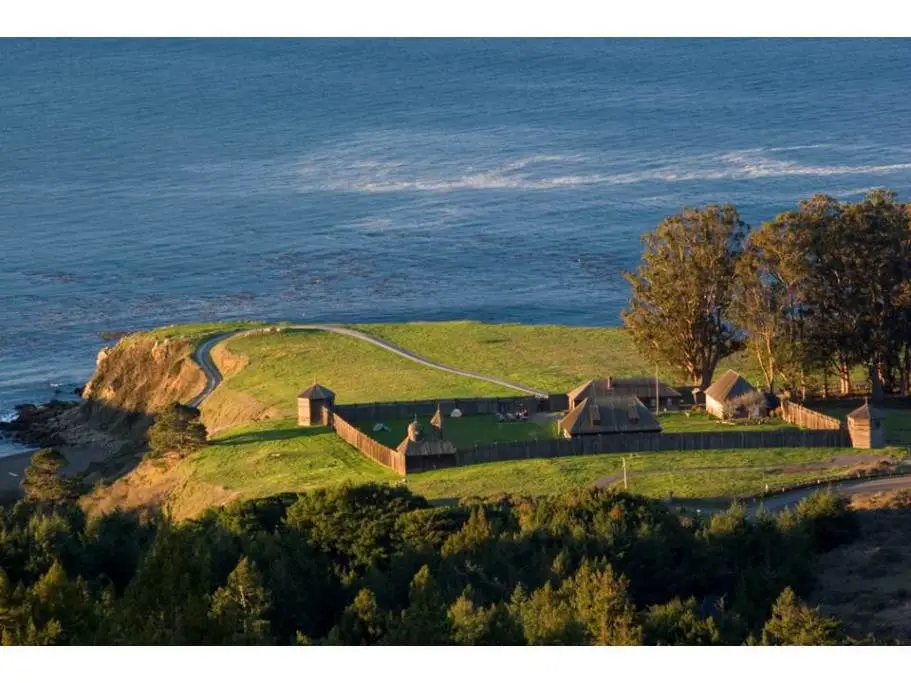
The light is still lovely at Mar Vista, and there’s a spot here for anyone who wants to breathe it in.